

Understanding the Differences Between Private and Public Land Surveying Professionals
Land surveying plays an essential role in land development, property ownership, and planning. It involves precise measurements and mapping that help define boundaries, guide construction planning, and support permitting requirements. Because of its importance, understanding the distinction between private and public land surveying professionals can help clarify how different projects are managed and supported. Private surveyors typically work with individual property owners and development teams, while public surveyors focus on government-related land surveying professionals and infrastructure needs. This distinction is also reflected in industry employment patterns. According to Zippia, land surveyors are 78% more likely to work at private companies in comparison to public companies. This article explores how these roles differ and how each contributes to responsible land use.
Historical Surveying
Exploring Early Property Measurement Practices
Land surveying has existed for thousands of years, with early civilizations using basic tools and geometry to divide and manage land. Ancient societies relied on simple measurement techniques to establish property boundaries, allocate agricultural land, and support early infrastructure planning. Over time, these methods became more refined as societies developed more complex systems of ownership and governance.
Establishing the Emergence of Professional Surveyors
As land development increased, surveying became a recognized profession requiring specialized knowledge and training. The growth of cities and infrastructure projects created a need for more precise land measurement and documentation. Professional surveyors became essential for defining property boundaries, supporting construction planning, and ensuring accurate land records.
Over time, the profession became more standardized through formal education and technical training. This helped establish consistent methods for collecting and interpreting spatial data. It also improved the efficiency of documentation used in property and development projects.
Defining the Role of Government in Surveying
Public sector surveyors contribute to land management, infrastructure planning, and regulatory oversight. Their work supports government projects such as transportation systems, public utilities, and land use planning. They also help ensure that land-related decisions align with regulatory requirements and public policy objectives, particularly within land surveying frameworks that guide large-scale development.
In addition to infrastructure work, public surveyors may assist in environmental planning and land regulation. Their input helps guide decisions related to zoning, land preservation, and responsible development practices. This ensures that land use decisions consider both community needs and long-term planning goals.
Exploring the Development of Private Surveying Firms
Private surveying firms emerged to meet the growing demand for property-focused services. These firms typically work directly with property owners, developers, and design professionals to support residential and commercial land projects. Their work is often centered on providing accurate documentation needed for planning, permitting, and land transactions.
Private firms play an important role in residential development projects that rely on accurate property data. They help support clear communication between property owners and local agencies. This ensures that project planning remains aligned with documented site conditions.
Examining Key Legislative Impacts on Surveying
Land surveying is guided by regulations and legal frameworks that help ensure consistency in property records and land documentation. These standards support accurate boundary definition and help reduce disputes related to land ownership.
Professional Surveying Roles
Outlining the Central Tasks of Private Surveyors
Overall, private surveyors focus on delivering accurate land measurements and documentation for property owners and development projects. A key service is the preparation of boundary and property line surveys, which define legal property limits and help prevent encroachments or disputes. In many residential and development projects, land surveying is used to support accurate site planning and permitting requirements.
They also produce certified plot plans and building permit plot plans, which are commonly required for residential improvements, additions, and new construction permitting. These documents show property boundaries, existing structures, and key site details needed for municipal review.
Explaining Public Sector Surveyors and Their Governmental Roles
Public sector surveyors focus on land-related work that supports government operations and public infrastructure. This includes projects such as road systems, utilities, and community development planning. Their work helps ensure that land use aligns with regulatory standards and public interest considerations within broader land surveying applications.
They may also contribute to environmental and land management planning by providing accurate data used in zoning, conservation, and resource planning decisions. This helps support structured and sustainable land development.
In some cases, public surveyors assist with boundary definition for large-scale public lands and infrastructure corridors, ensuring clarity in land administration and ownership records.
Assessing Impact of Roles on Land Development Projects
Surveyors play a key role in shaping land development outcomes by providing accurate property information and supporting planning decisions. Their work helps define usable land areas, guide site planning, and ensure that development aligns with property boundaries.
Accurate surveying also helps reduce risks in development projects by identifying potential boundary issues early in the planning process. This supports more efficient project timelines and reduces the likelihood of costly adjustments later.
Overall, surveyors contribute to clearer land use planning and more structured development processes by ensuring effective and consistent land data.
Clarifying Differences in Liability and Accountability
Private surveyors typically operate under client agreements, where their responsibility is to deliver accurate and usable land documentation based on project requirements. Their accountability is primarily to the client and the specific scope of work defined for each project.
Professional Surveying Qualifications
Explaining Educational Requirements for Surveyors
All in all, surveyors typically complete formal education in surveying, geomatics, or related technical fields. Their training includes subjects such as mathematics, measurement principles, and land mapping techniques. This educational foundation is necessary for understanding how to accurately measure and document land features in land surveying practice.
Examining Licensing and Certification Variances
Surveying professionals generally must meet licensing requirements that demonstrate technical competence and understanding of surveying standards. These requirements help ensure consistency and efficiency in land documentation.
Supporting Continuous Professional Development
Ongoing professional development is important in surveying due to evolving tools, regulations, and project requirements. Surveyors regularly update their knowledge through training and industry education in land surveying applications.
This ongoing learning helps ensure that surveying professionals can continue producing accurate and up-to-date land documentation that meets current planning and regulatory needs.
Comparing Differences in Skill Sets and Specializations
Private surveyors typically specialize in property-focused services such as boundary definition, permit-related documentation, and residential land planning support. Their work is closely tied to individual property needs and development projects.
Public surveyors focus more on infrastructure, land management, and regulatory applications, supporting broader planning efforts and public land use decisions. While their focus differs, both roles contribute essential expertise to land surveying systems and land development processes.
Modern Surveying Technology
Explaining Modern Surveying Practices and Documentation
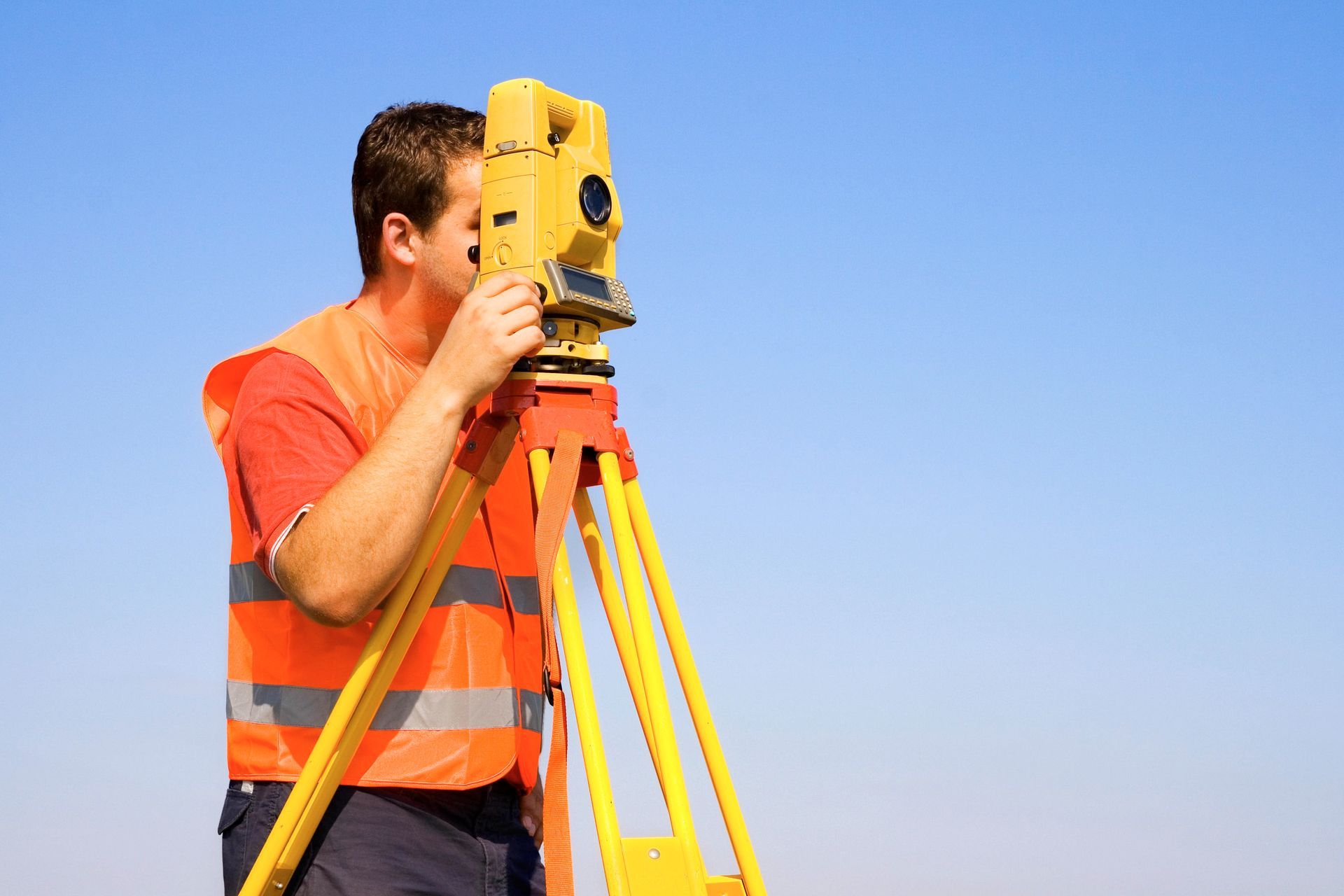
Modern surveying relies on precise measurement techniques and structured documentation processes to ensure accuracy in land records. These practices support the creation of dependable boundary information and site documentation used in planning and permitting within land surveying workflows.
Surveyors use standardized methods to produce deliverables such as boundary surveys, plot plans, and existing conditions documentation. These outputs are essential for property development, permitting applications, and land use planning.
Coordinating Field and Office Work
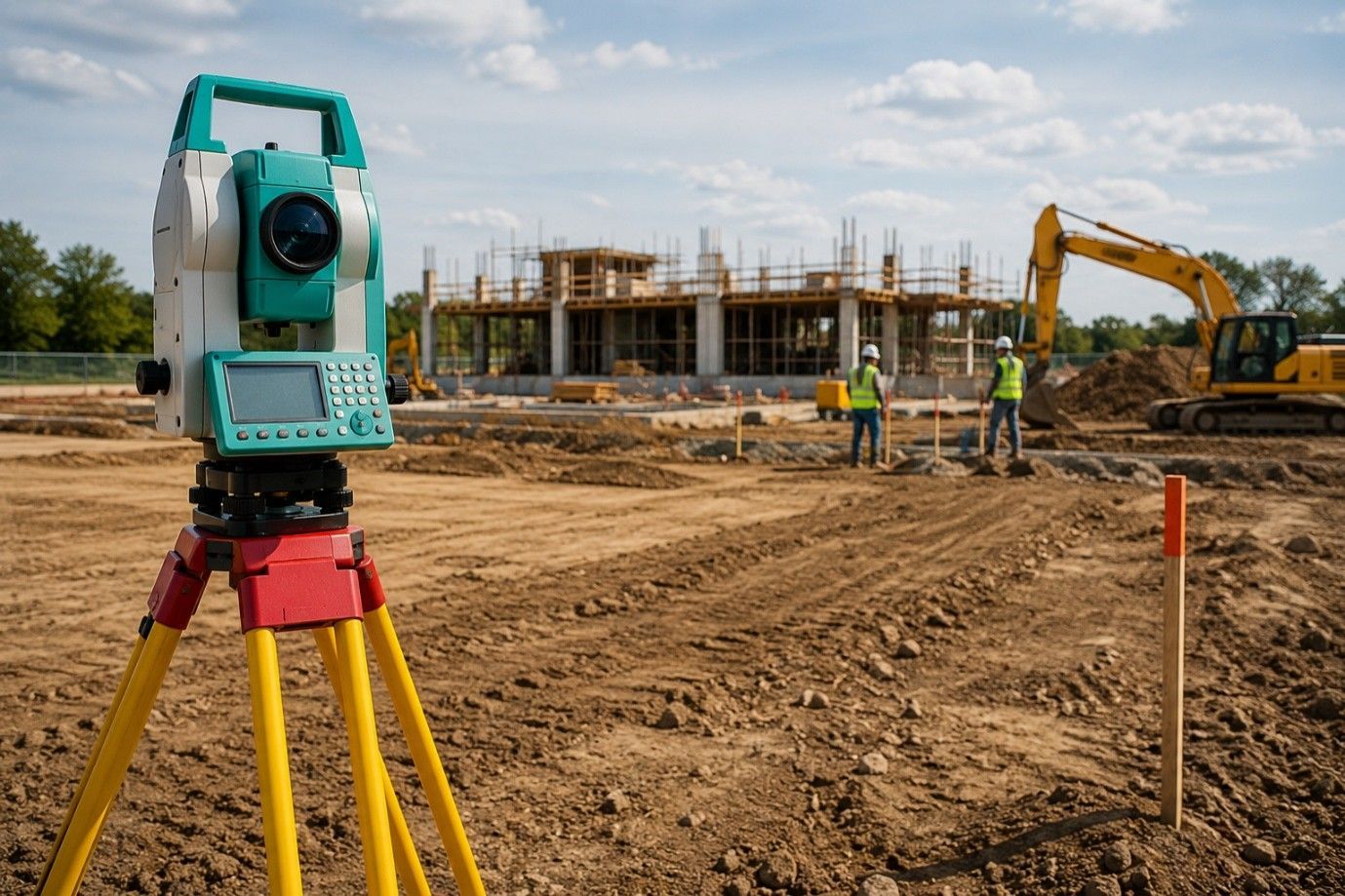
Surveying work typically involves coordination between field measurements and office-based documentation. Data collected on-site is processed and translated into accurate maps and plans that reflect property conditions.
This workflow ensures that final deliverables are consistent, accurate, and suitable for use in legal, planning, and development contexts.
Understanding the differences between private and public land surveying professionals helps clarify how land is measured, documented, and managed across different types of projects. Private surveyors typically assist property owners and development teams with services such as boundary surveys, plot plans, and existing conditions documentation, while public surveyors concentrate on infrastructure projects, regulatory requirements, and broader land management responsibilities. To learn more about these services and how they support property planning and development, RealMapInfo LLC provides additional information and resources.







Share On: