

How to Choose the Right Experts for a Boundary Survey For a Fence
Installing a new fence may seem simple, but one mistake in property lines can cause arguments with neighbors or legal problems. A boundary survey for the fence makes sure your property lines are marked correctly before construction. Choosing the right experts saves money, avoids delays, and ensures your fence is built in the right place.
Why Knowing Property Lines Is Important
Even small mistakes in measuring your land can create big issues. Experts measure and map your property, showing exactly where fences, landscaping, or other structures can go. A professional survey prevents disputes with neighbors and problems with city permits. Clear property lines also make future home projects easier.
For example, if a neighbor plants a garden too close to your fence, or you accidentally build a fence over the property line, it could lead to costly removal and legal arguments. A proper survey keeps everyone on the same page and protects your investment in your property.
Experience Matters Most
Not all surveyors have the same skills. Experienced professionals have handled tricky boundaries, slopes, or odd-shaped lots. They can solve problems that may come up during the survey or construction. Checking past work and client reviews can show you their expertise and reliability.
Some properties have hidden challenges like easements, drainage issues, or uneven terrain. Skilled surveyors know how to handle these challenges, ensuring your fence sits on the correct line without future disputes. Their experience helps avoid delays and unnecessary costs.
Tools and Technology That Help
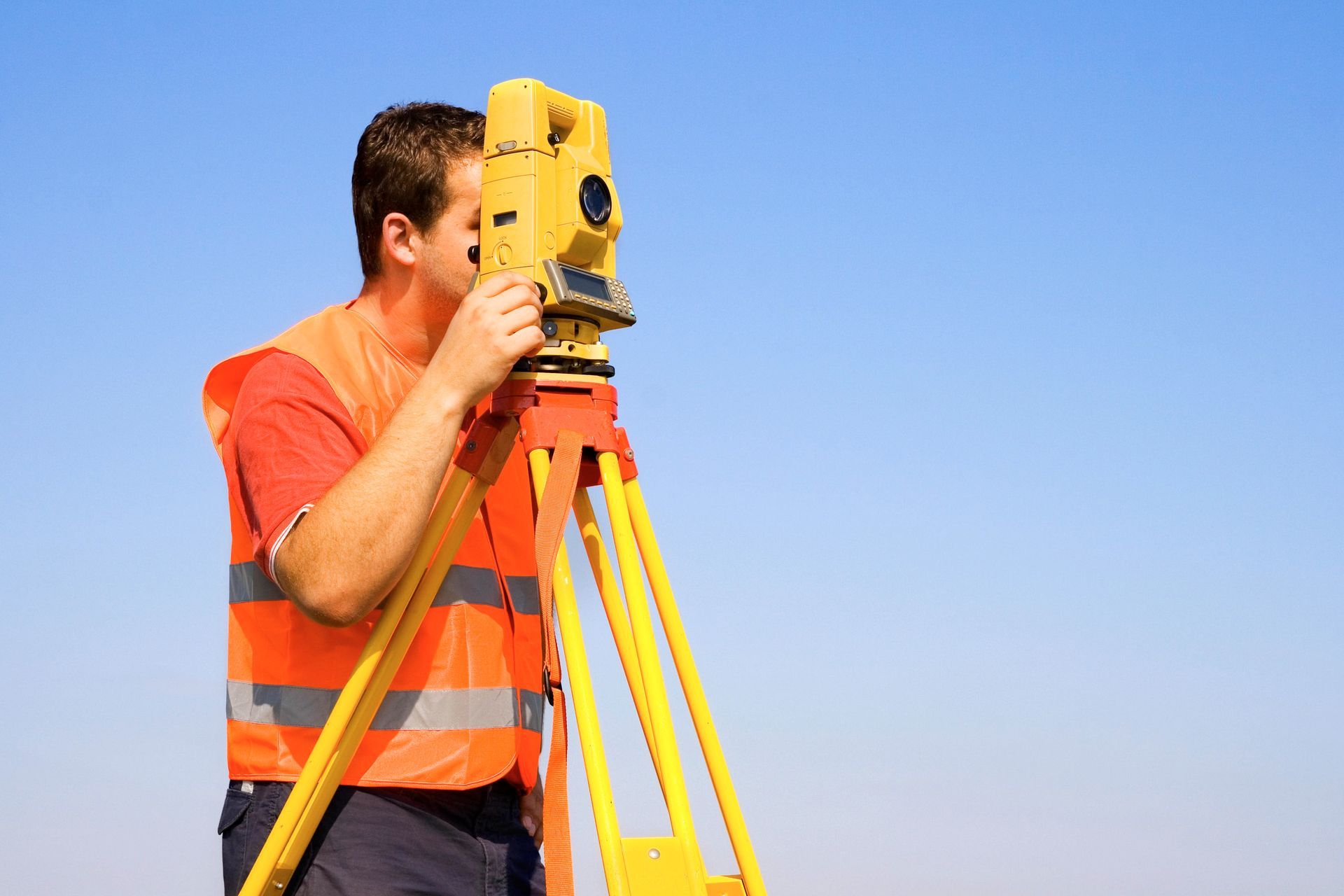
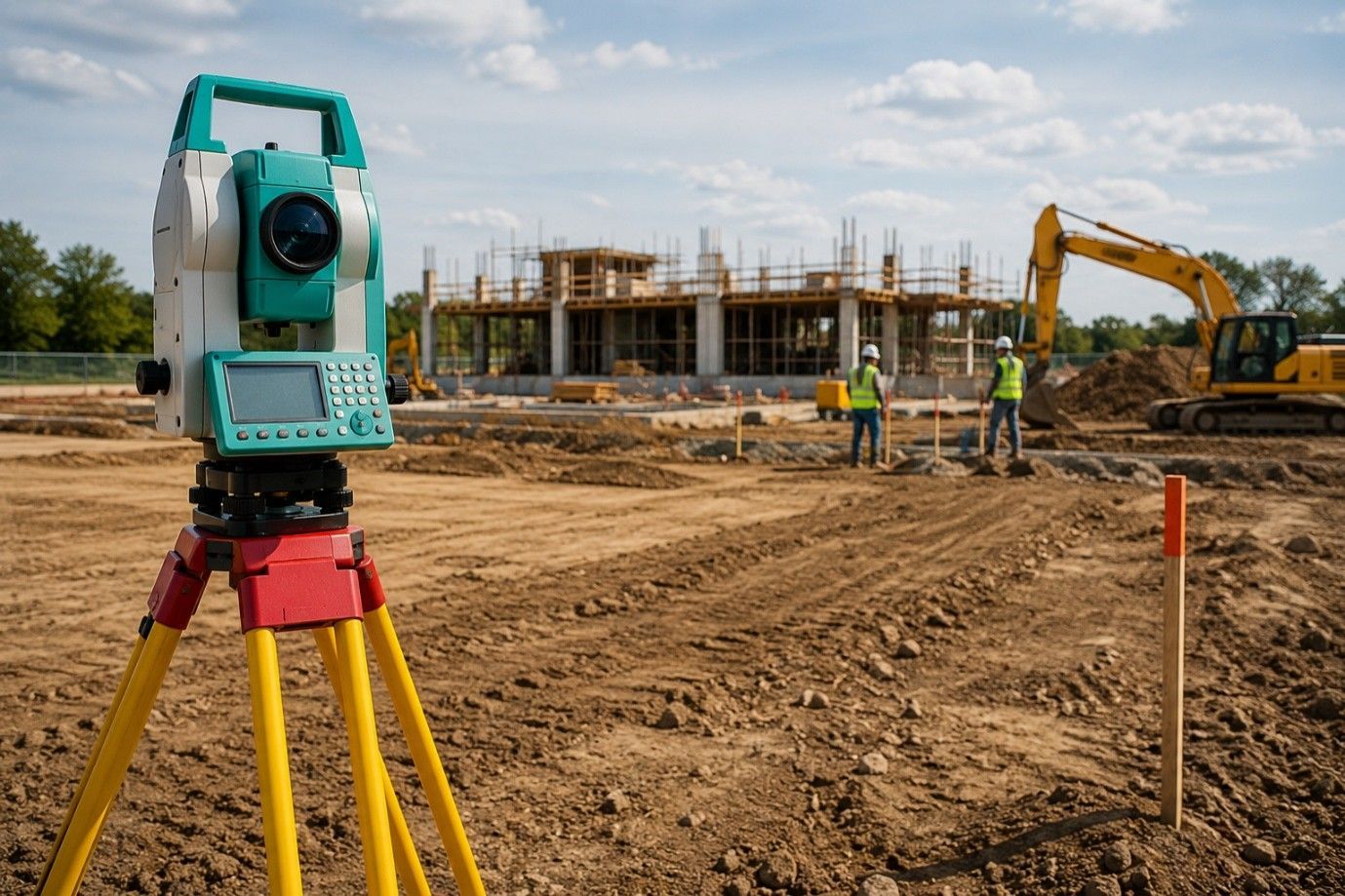
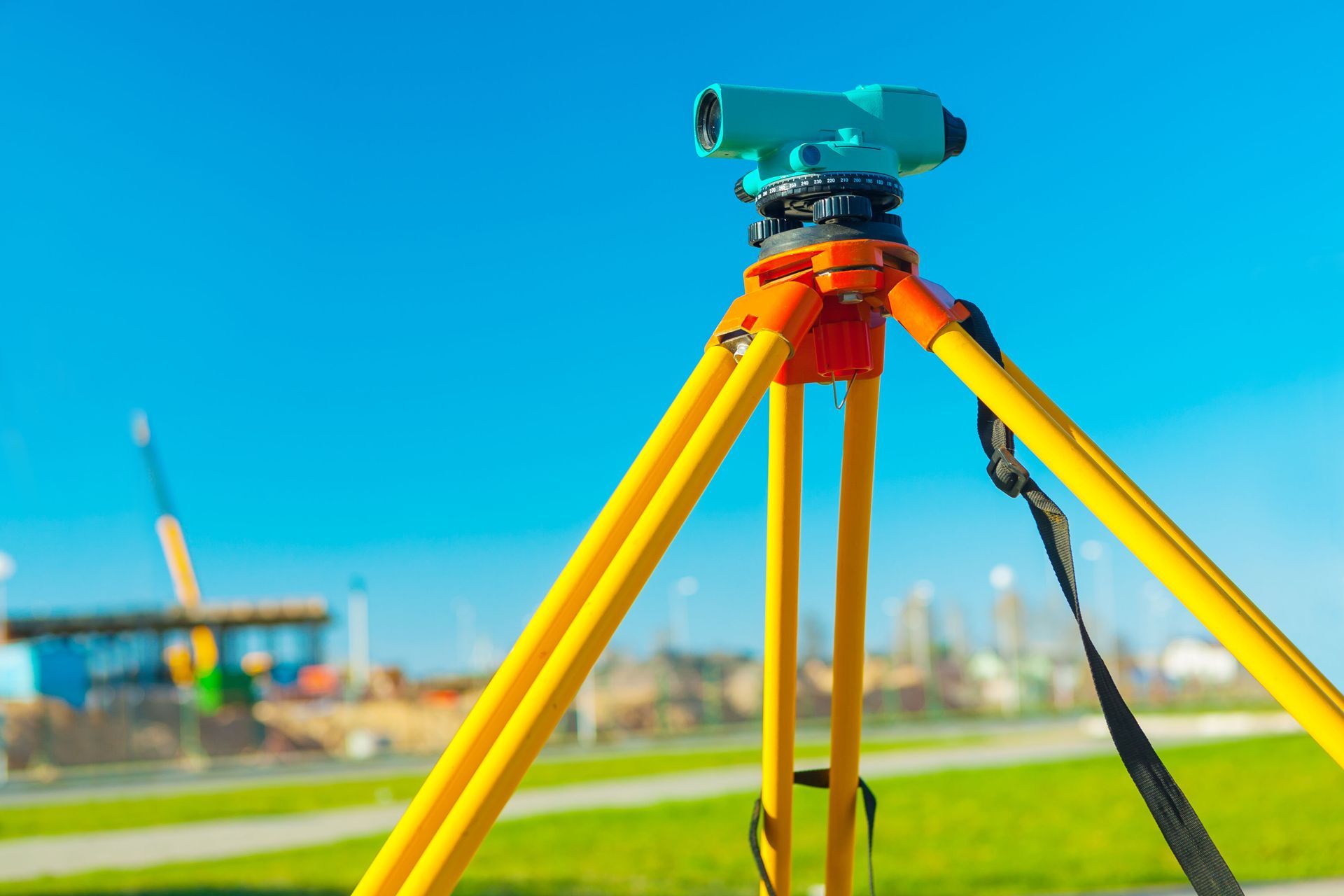
Modern surveyors use GPS, laser devices, and digital mapping for fast and exact results. Some even use drones for large properties or hard-to-reach areas. Knowing what tools a surveyor uses helps make sure your fence project is based on correct measurements, not guesses.
Drones can capture detailed aerial views of your property, which is especially helpful for large lots or areas with obstacles like trees or slopes. GPS and laser tools allow surveyors to pinpoint corners and boundaries with millimeter-level accuracy. These technologies make surveys faster, safer, and more reliable than traditional methods.
Licenses, Insurance, and Local Knowledge
A licensed surveyor follows all local rules and zoning laws. Local knowledge is important for understanding setbacks and easements. Surveyors with insurance protect you from mistakes or accidents during the survey. This ensures the work is safe and legally correct.
A surveyor familiar with your city or county knows the local building codes and permit requirements. They can advise if your planned fence will need city approval or if certain areas have restrictions. This local insight prevents surprises and keeps your project on track.
Clear Reports and Communication
Top surveyors give clear reports with maps, property stakes, and notes about limits or restrictions. Ask if they provide digital files you can share with builders or city offices. Good communication makes it easy to know exactly where your fence can be placed.
Detailed reports should also highlight any potential issues like overlapping boundaries, easements for utilities, or slopes that could affect construction. With clear documentation, you have proof of your property lines, which can be helpful in legal or neighbor disputes.
Red Flags to Watch
Avoid surveyors who charge very low prices or cannot show their license and insurance. Be careful of those who rush or skip site visits. Reliable experts provide accurate, documented results and have a history of happy clients. Spending a little more now avoids costly mistakes later.
Other red flags include surveyors who cannot answer questions about permits, local regulations, or their survey process. A trustworthy surveyor will explain every step and ensure you understand the results before construction begins.
Benefits of a Professional Survey
A professional survey saves money by preventing fence relocation, legal disputes, or denied permits. It gives peace of mind and a clear plan for construction. Accurate property lines are important for home value, landscaping, and future improvements. Hiring an expert is a smart choice for any homeowner building a fence.
For example, a survey can show if a planned fence blocks access to utilities or crosses a utility easement. It can also help in planning landscaping or additional structures near the property line. Knowing the exact boundaries reduces stress and helps your property look well-organized.
Tips for Homeowners
- Gather property records and previous surveys before contacting a surveyor.
- Ask for references or examples of similar fence surveys they have done.
- Confirm their license and insurance coverage.
- Discuss the technology they use for measurements, like GPS, lasers, or drones.
- Ensure you receive a clear, detailed report showing all boundaries and restrictions.
Following these tips ensures you choose a professional who delivers accurate, trustworthy results.
In Closing:
At RealMapInfo LLC, our team provides expert boundary surveys for fence services. We use modern tools and our experience to map your property accurately and avoid problems. If you are looking for a “residential property surveyor near me”, we give clear reports, advice, and reliable results so your fence is built correctly and safely.
Contact RealMapInfo LLC today to schedule your boundary survey for the fence and start your project with confidence.
FAQs:
1. Why is a boundary survey needed before building a fence?
It confirms the exact limits of your land so your fence is installed in the correct spot and avoids disputes.
2. How long does a boundary survey usually take?
Most surveys are finished within a few days, but larger or complex lots may take a bit longer.
3. Who is qualified to perform a boundary survey?
Only licensed surveyors with training in land measurement and mapping can complete this service legally.
4. Can a survey help prevent arguments with neighbors?
Yes, clear boundary markers reduce confusion and give both sides a clear understanding of property limits.
5. Do surveyors use digital tools for boundary checks?
Many use GPS tools, mapping software, and field equipment to record accurate lines and create updated maps.



Share On: